6 Ways to Extend the Life of Your HVAC System in Austin
Published: 2026-04-26 · By ACGuys Austin AC Repair & Heating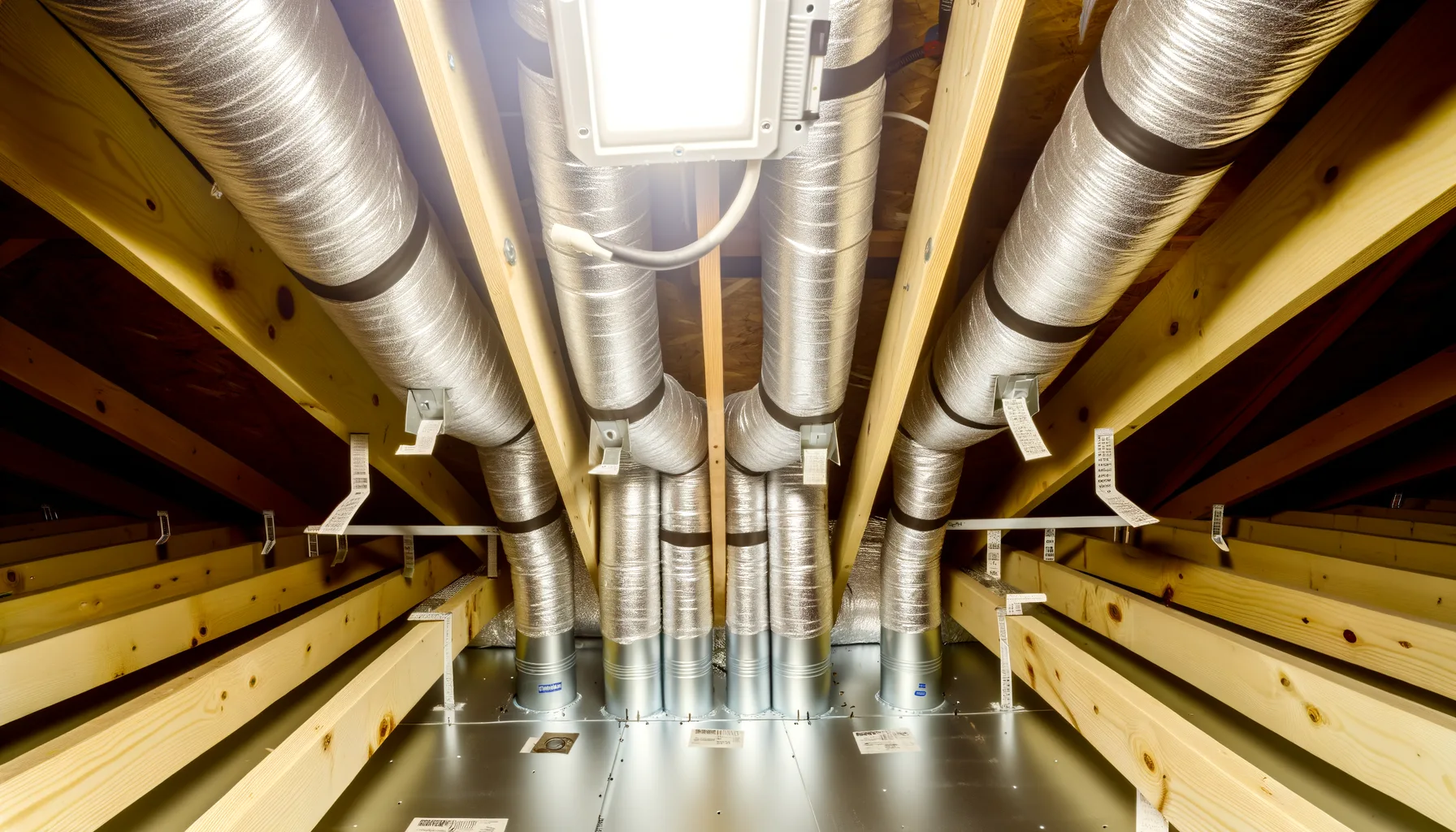
As summer sizzles in Austin, the relentless heat and humidity can turn your home into an oven if your HVAC system isn't operating at peak performance. Picture this: you're hosting a gathering, and suddenly the air conditioner starts making strange noises while the indoor temperature rises uncomfortably. Before you know it, you're running to the nearest hardware store to buy fans. Instead, imagine having a cool and comfortable home, regardless of what the weather throws at you. Taking steps to prolong the life of your HVAC system not only provides peace of mind but also saves you a significant amount on repairs and replacements in the long run.
Why This Matters for Austin Homeowners
In Austin's unique climate, where sweltering summers dominated by extreme heat and high humidity are the norms, your HVAC system becomes your lifeline. The constant strain of keeping your home comfortable makes it crucial for homeowners to pay attention to system maintenance. If your air conditioning unit breaks down during a heatwave, recovery can take days, leaving your family sweltering in uncomfortable conditions.
Additionally, the clay soil prevalent in Central Texas causes foundation issues, which can exacerbate HVAC problems if systems are not installed correctly or maintained properly. As the soil expands and contracts with seasonal changes, it can affect the ductwork and system efficiency.
Failing to extend the life of your HVAC system can result in unexpected breakdowns, costly repairs, and even early replacement, causing undue stress and financial strain.
This article outlines six practical ways Austin homeowners can keep their HVAC systems running strong, even amidst the challenges of our local climate. From seasonal maintenance to temperature management, let's dive in!
Expert Solutions & Actionable Tips
1. 1. Schedule Regular Maintenance
Regular maintenance is essential for ensuring your HVAC system runs efficiently. In Austin, consider booking a bi-annual inspection, typically in early spring and fall. This service usually costs between $75 and $150 and includes tasks like checking the refrigerant levels and cleaning the coils.
When you maintain your system proactively, you help prevent unexpected failures during the hottest months. ACGuys Austin AC Repair & Heating offers great packages that not only ensure your system is ready for summer but also help identify minor repairs before they become major expenses.
2. 2. Upgrade Your Thermostat
Investing in a programmable or smart thermostat can provide significant savings on your energy bills, often lowering costs by 10 to 15%. In Austin, where the temperature fluctuates, these devices allow you to set various temperatures for different times of day, ensuring your system isn’t working overtime while you’re not home. Smart models typically come with costs ranging from $100 to $250.
Austin residents can benefit from these technologies tailored to handle the humidity and heat, helping your HVAC system maintain a consistent temperature efficiently.
3. 3. Change Filters Regularly
Dirty filters restrict airflow and hinder your HVAC system's efficiency, which is particularly important given our dusty local environment. In Austin, it is generally advised to replace air filters every one to three months, depending on usage. A good quality filter costs between $15 and $40, and doing this can increase energy efficiency by up to 15%.
This small maintenance step improves indoor air quality and reduces wear and tear on your HVAC unit, helping it last longer.
4. 4. Seal Ductwork and Insulate
Many homes in Austin experience significant energy loss due to poorly sealed ductwork, which can account for over 30% of energy wastage. Hiring a professional to assess and seal duct leaks can range from $300 to $700 as an upfront cost but saves substantial money over time on your energy bills.
Additionally, insulating your ductwork ensures that the cool air remains conditioned as it travels throughout your home, further enhancing system efficiency.
5. 5. Keep the Outdoor Unit Clear
Your outdoor HVAC unit needs adequate airflow to operate efficiently. In Austin, this means regularly checking and clearing any debris, vegetation, or obstructions within at least two feet around the unit. Set aside time every couple of months, especially during spring storm season, to ensure the area is clear.
Allowing airflow to remain uninterrupted can extend the life of the compressor, thus prolonging the overall lifespan of your system.
6. 6. Monitor Your Energy Bills
Keep an eye on your energy bills for sudden spikes that may indicate inefficiencies in your HVAC system. If you notice a 20% increase compared to previous months, it may be time to assess whether your system is functioning optimally. Tracking these changes can help you catch problems early before they escalate into costly repairs.
In Austin, where summer conditions put a strain on systems, quick detection allows for timely interventions, potentially saving hundreds down the line.
Austin Climate & Local Context
Austin's unique climate poses challenges that can significantly impact HVAC efficiency. The city experiences extreme heat, high humidity, and severe thunderstorm activity, complicating the maintenance of heating and cooling systems. Moreover, residences in the Texas area often face structural challenges due to clay soil expansion and contraction, which can lead to HVAC installations settling or becoming misaligned over time.
Local building codes require certain considerations in HVAC installation, focusing on energy efficiency to combat the high demand for cooling systems during peak summer. Choosing a skilled technician familiar with local regulations ensures systems are installed and maintained correctly to avoid issues stemming from improper setup.
When to Call a Professional
While DIY maintenance can save costs, there are crucial situations when it is best to call in professionals. Certain tasks, such as refrigerant recharging and electrical repairs, should only be handled by licensed technicians. Recognizing the limit of what you can manage can save you time and potential further damage to your system.
- Unexplained spikes in energy bills
- Strange noises from your unit
- Inconsistent temperatures throughout your home
- Foul odors emanating from vents
- Visible leaks around the unit
- System age over 10 years
- Excessive dust in the home
- Year-round humidity issues
For these problems, you should consult the experts at ACGuys Austin AC Repair & Heating.
Frequently Asked Questions
How often should I have my HVAC system serviced in Austin?
It's advisable to schedule HVAC maintenance at least twice a year. Spring and fall inspections help ensure your system runs effectively during high-demand seasons.
What are common signs my HVAC system needs repairs?
Look for strange noises, fluctuating temperatures, or higher energy bills. These could indicate that your system requires immediate attention.
Can I perform HVAC maintenance myself?
While some basic tasks like changing filters are doable, complex issues such as duct sealing or refrigerant checks should be handled by professionals.
How can I improve indoor air quality in my home?
Regularly changing your filters, maintaining humidity levels, and using air purifiers can help improve indoor air quality significantly.
What is the average lifespan of an HVAC system in Austin?
Most HVAC systems can last between 15 to 20 years with proper maintenance, but factors like usage intensity and local climate can affect longevity.
Get Expert HVAC Service in Austin
Ensuring the longevity and efficiency of your HVAC system in Austin is a worthwhile investment in your comfort. If you're facing issues or have questions about your system, reach out to the team at ACGuys Austin AC Repair & Heating for expert advice and service tailored to the Austin climate.
Don't wait until it's too late; call (737) 316-5467 today and keep your home cool and comfortable despite the Texas heat.